GameStop has been saved by trading cards and even Rolex watches, say Wall Street’s newest bulls
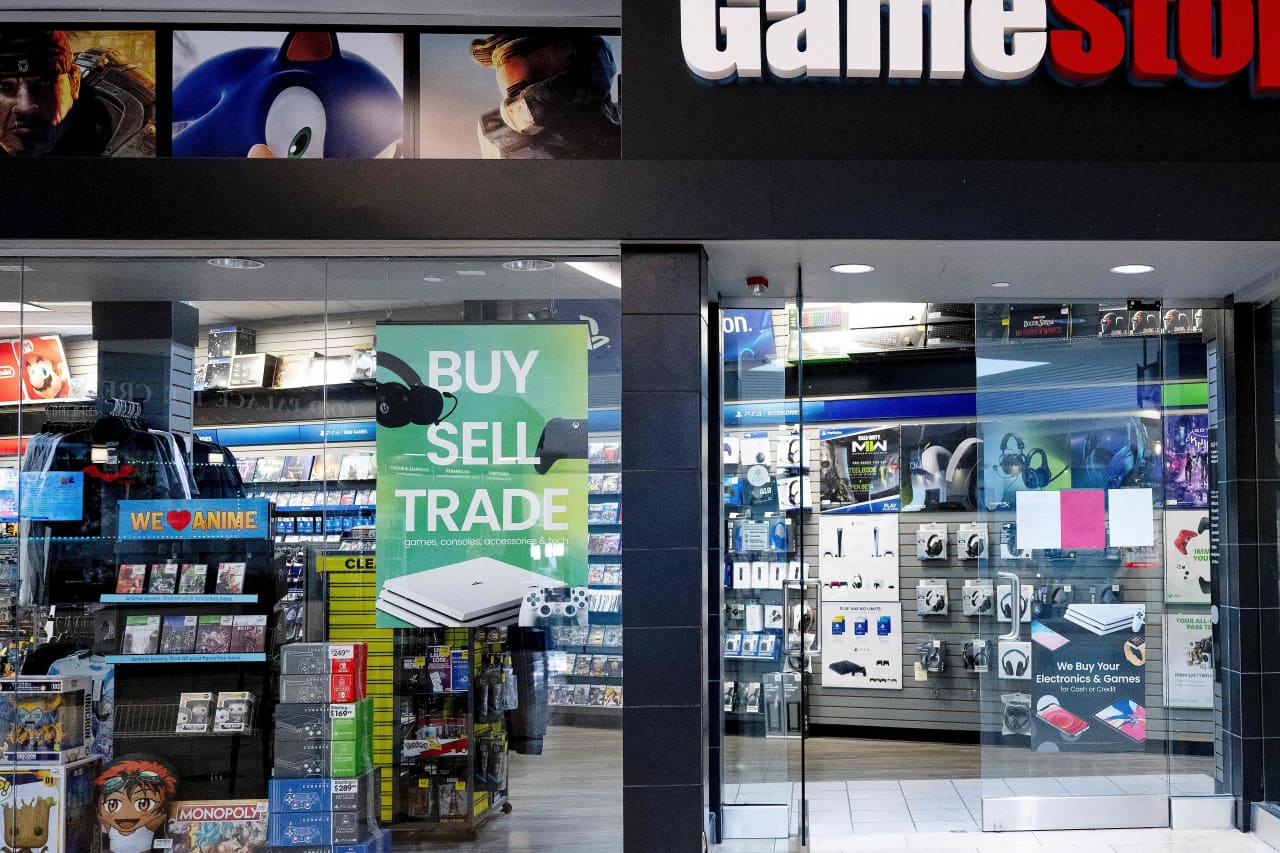
GameStop’s base of fervent retail investors is still intact, but Needham analysts say more institutional investors should take note of the company’s transformation.
The recent resurgence of GameStop, attributed to its foray into trading cards and luxury items like Rolex watches, is a notable development that warrants attention from institutional investors. This shift in strategy has helped the company stay afloat, and its loyal base of retail investors remains a significant factor in its survival. The fact that GameStop has been able to pivot and find new revenue streams is a testament to its ability to adapt in a rapidly changing market.
The involvement of Needham analysts, who are now bullish on the company, suggests that GameStop's transformation is being taken seriously by Wall Street. This could potentially lead to increased interest from institutional investors, who may have previously written off the company as a relic of the brick-and-mortar era. As fund managers, it is essential to consider the implications of this development and how it may impact the broader retail landscape. The ability of a company like GameStop to reinvent itself and find new avenues for growth is a significant industry trend that deserves attention.
As the situation unfolds, it will be crucial to watch how GameStop's new strategy continues to play out and whether it can sustain its momentum. Additionally, fund managers should keep an eye on how other retailers respond to the changing market landscape and whether they can replicate GameStop's success. The intersection of traditional retail and new revenue streams, such as trading cards and luxury items, is an area worth monitoring, as it may hold opportunities for growth and investment in the future.
Originally reported by marketwatch.com. FundNews adds analysis for finance & markets readers.